FONT, STYLE AND CONVENTIONS OF DRAMA/MELODRAMA GENRE
(sentences in red relate to my film “prejudice”, for which the poster and title are shown at the very end of the page)
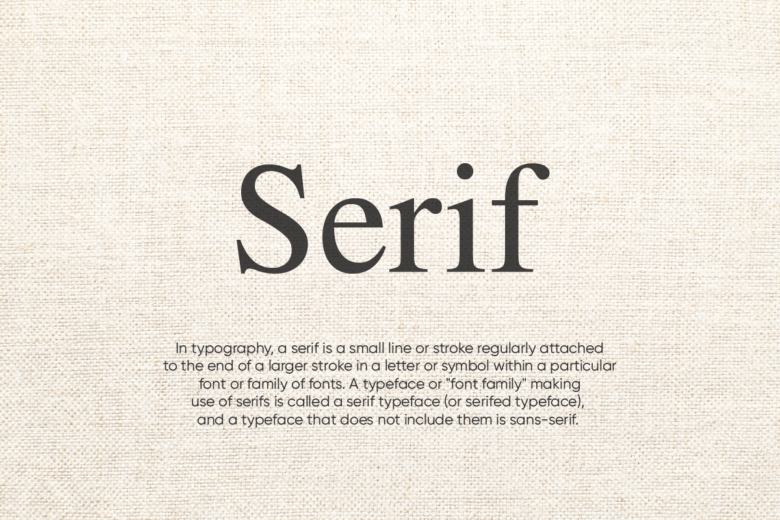
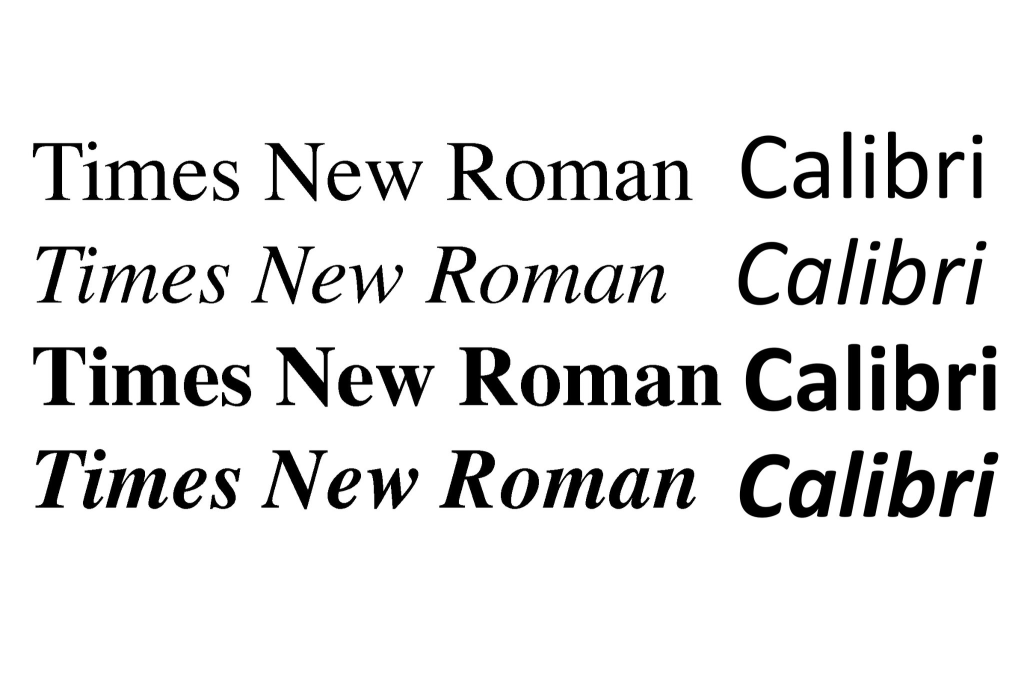
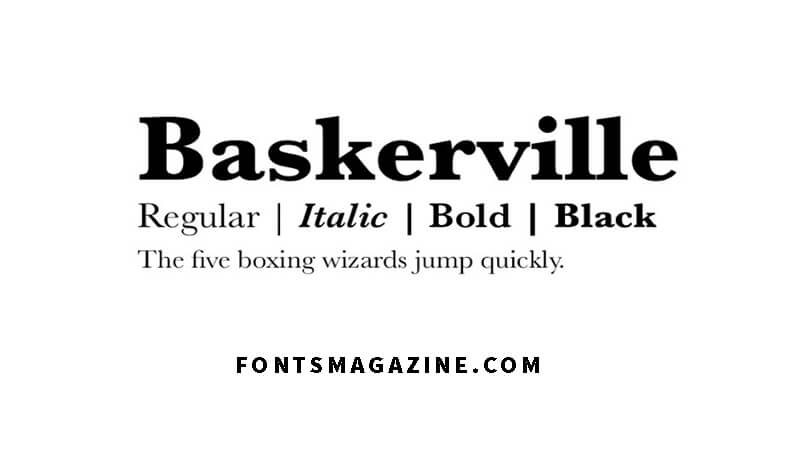
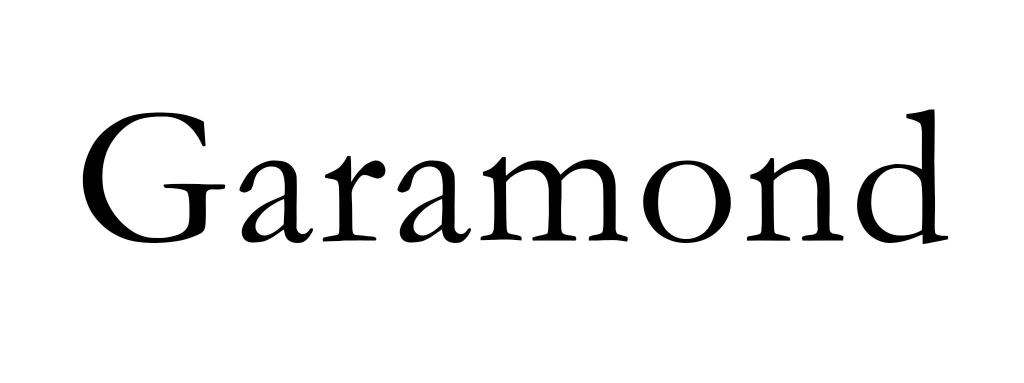
The general trends include drama films often using fonts that are more serious and elegant, rather than playful or whimsical. Serif fonts which have small lines at the end of the letters, are often used to give a classic and refined feel. Some examples of serif fonts that are commonly used in drama film titles include Times New Roman, Baskerville, and Garamond.
Drama film titles may also feature more subdued color schemes, such as muted tones or black and white. This can help to create a sense of seriousness and gravity which is often associated with the drama genre.
Ultimately, the font and style of a drama film title should match the tone and theme of the film itself, so there is no one-size-fits-all answer. The font and style should be chosen to evoke the appropriate emotional response and set the tone for the viewer.
It is to be noted that there is no one set font or styles for titles in a drama genre film as it can vary depending on the individual film and the creative choices of the filmmakers.
Moving towards melodrama, which is a subgenre of drama, is characterized by exaugurated emotions, plot twists, and dramatic situations. Melodrama titles often use fonts that are more decorative and stylized than those used in drama films. Script fonts, which resemble handwriting or calligraphy, are common in melodrama titles and can help to evoke a sense of romance or emotion. Some examples of script fonts that are commonly used in melodrama films include Edwardian Script, Lucida calligraphy and Script MT Bold.
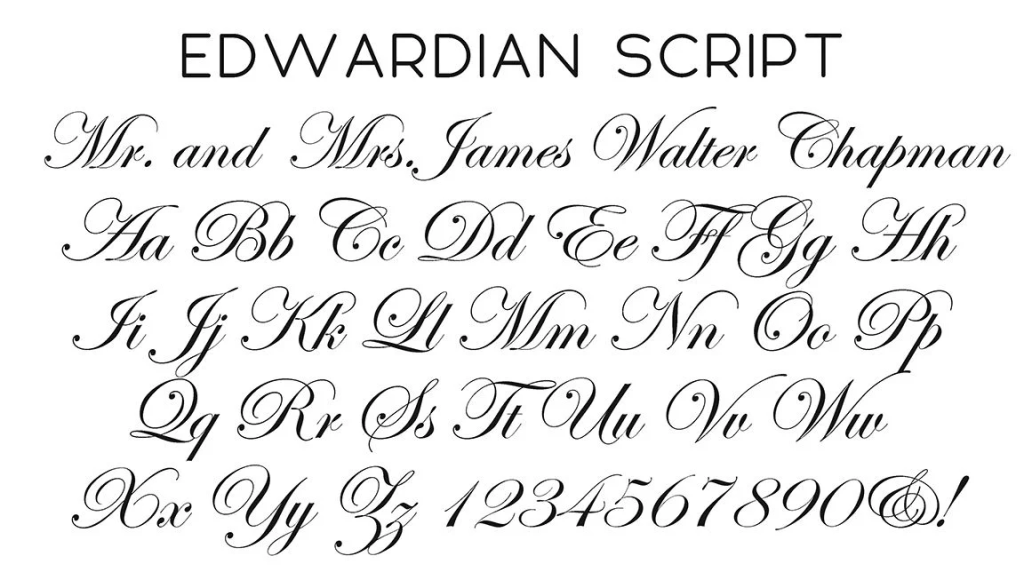
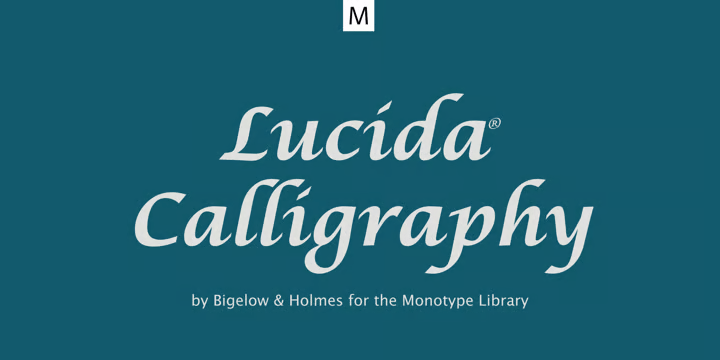
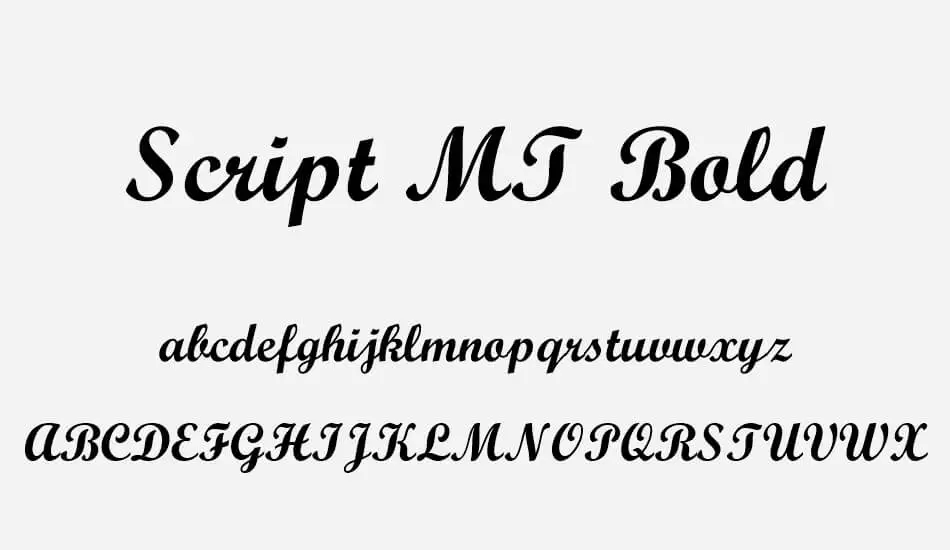
Melodrama film titles may also feature bold colors or dramatic contrasts, such as black and white or dark and light tones. Overall, the font and style of a melodrama film title should be chosen to evoke the heightened emotions and exaugurated drama that are characteristic of the genre. The font and style should be bold and dramatic, and should capture the essence of the films themes and tone.
Moving towards the conventions of drama and melodrama films, firstly, the title of the drama genre film typically appears at the beginning of the film, often as part of the opening credits sequence. This is done to introduce the film and its title to the audience, and to set the tone of the story that is about to be told. However, there are some drama films that may choose to use the title at the end of the film instead, as a way of leaving a lasting impression on the audience. This can be particularly effective in films that have a twist or a powerful emotional conclusion.
Secondly, drama and melodrama are known for their emotional themes and storylines. As such, the titles often use emotionally charged language to capture the audience’s attention. For example, titles may include words like “heartbreaking”, “tragic”, “passionate”, or “soul-stirring.”
Thirdly, descriptive titles. Drama and melodrama often have titles that describe the central conflict or theme of the movie. This can include the name of a character, a place, or a key event that happens in the story. Descriptive titles can help the viewers quickly understand what the film is going to be about and what they can expect from it.
Fourthly, single word titles. These titles often evoke a strong emotion or idea related to the film’s theme. For example, “Hope,” “Desire,” or “Regret” could all be potential titles for a drama or melodrama film.
Fifthly, some drama and melodrama films have titles that are symbolic of the story’s themes or motifs. For example, a film about lost love can be titled “Fading Memories,” or a film about overcoming adversity can be titled “Rising Above.”
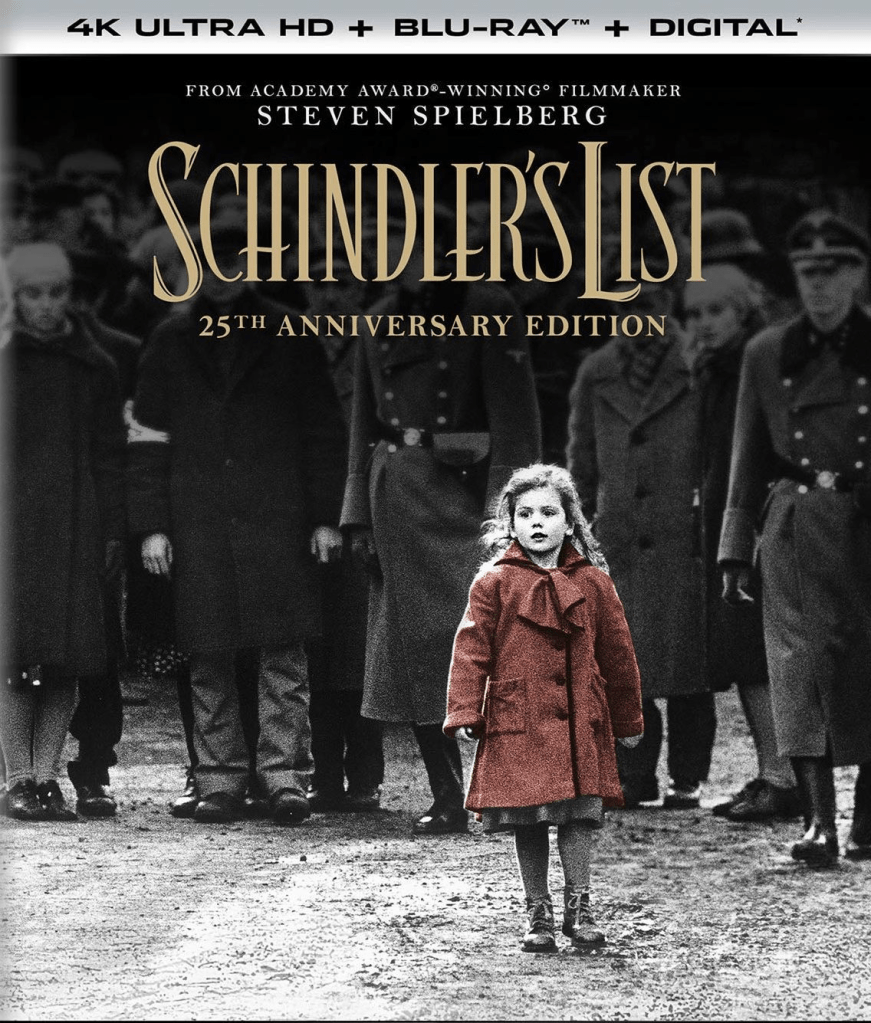
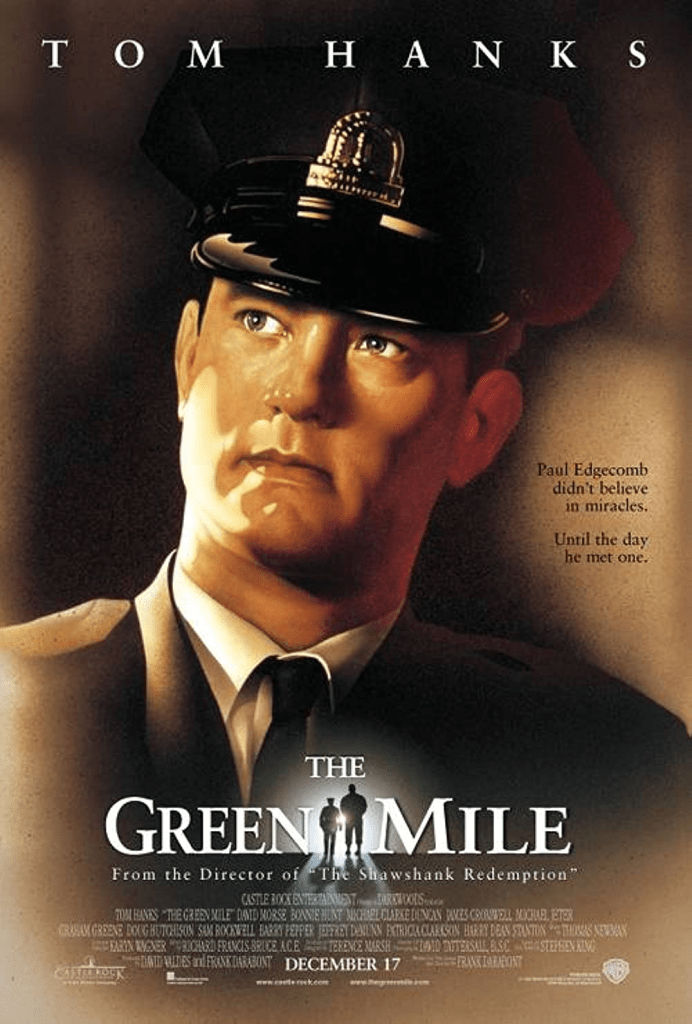
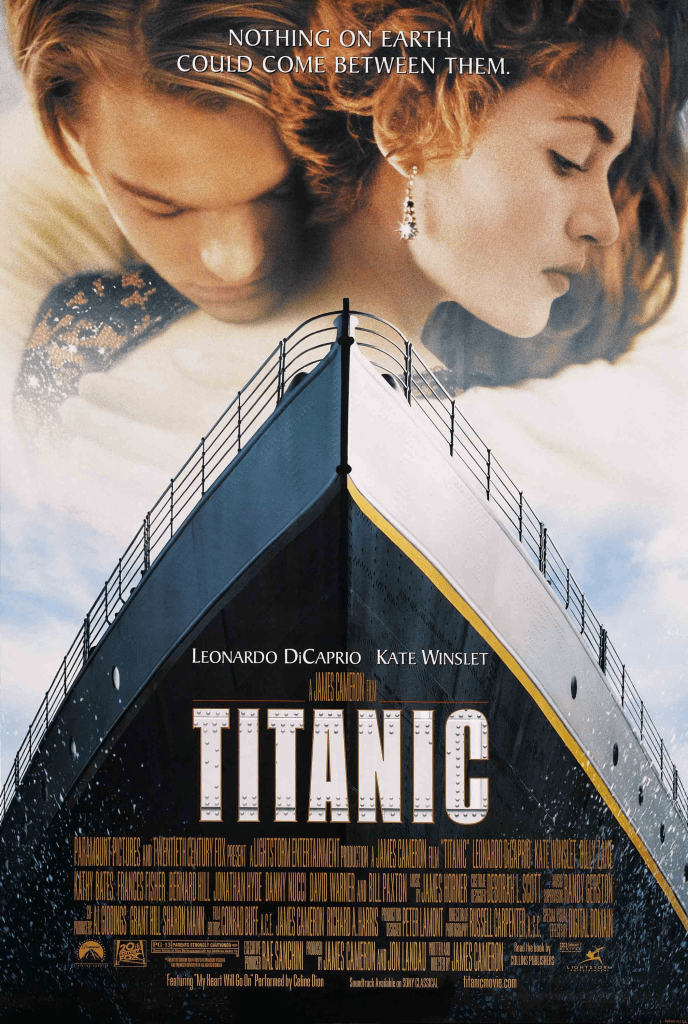
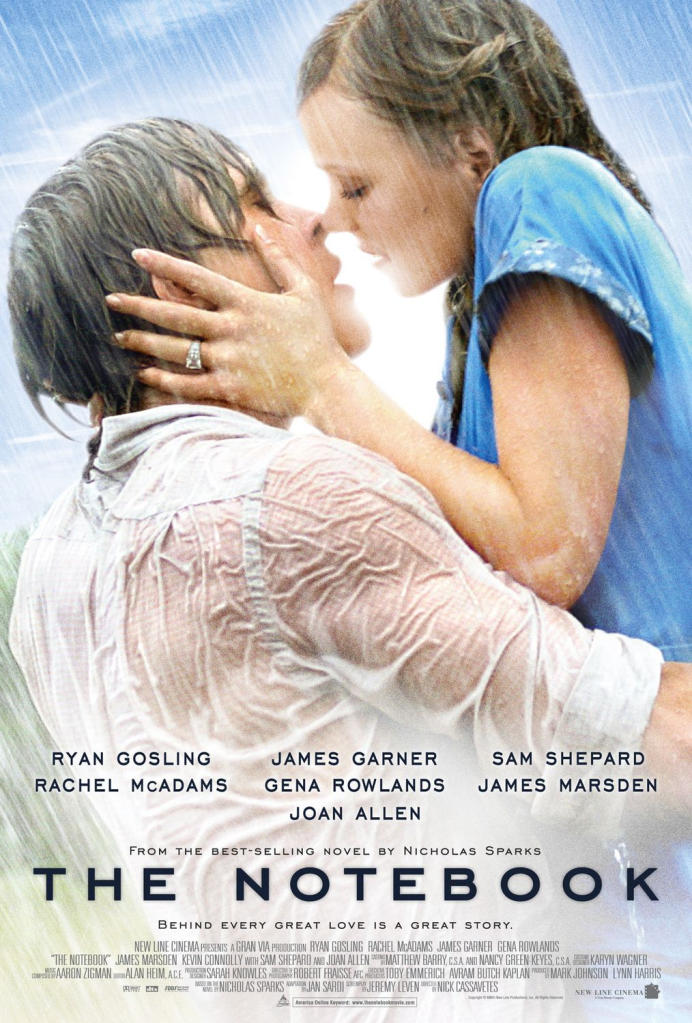
Listed below are a few examples of drama and melodrama genre film titles:




MY FILMS POSTER AND TITLE:


 prejudice
Leave a comment